By the end of this lesson, I will be able to:
- understand the main ideas and key details in New Zealand Birds.
- learn and use important vocabulary from the lesson.
- use the lesson language in speaking or writing.
A complete A2 classroom lesson built around three well-known New Zealand birds. Students read, talk and write about native wildlife while enjoying beautiful bird pictures.

By the end of this lesson, I will be able to:

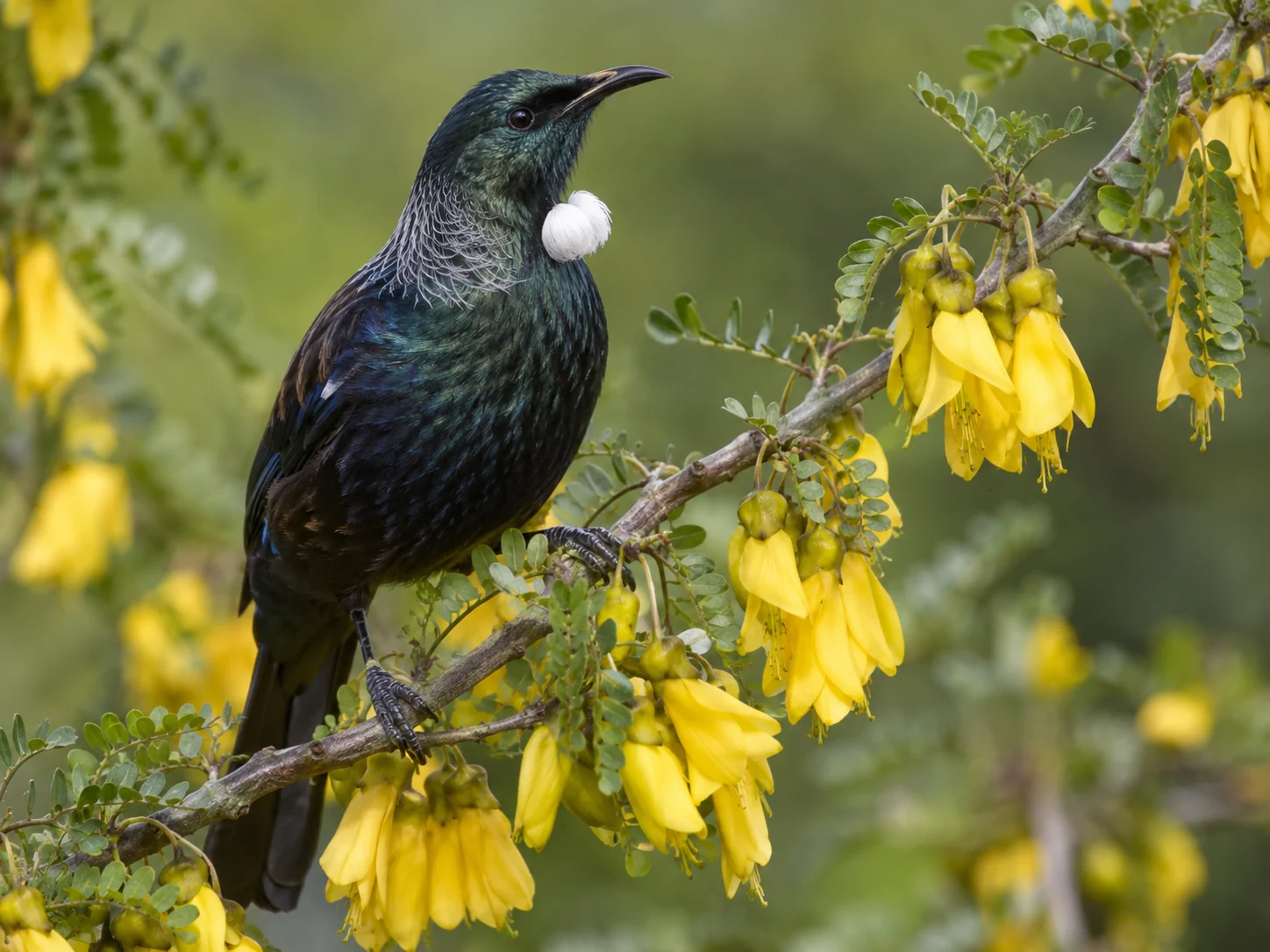
Tūī on kōwhai flowers

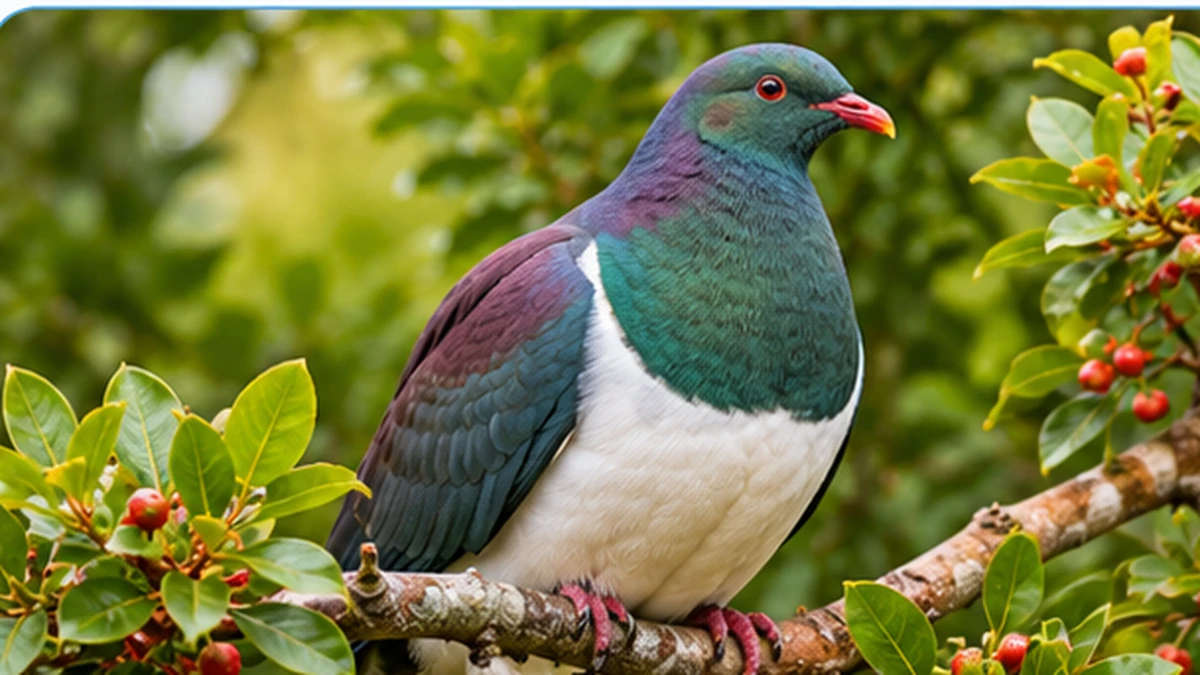
Kererū in a native tree

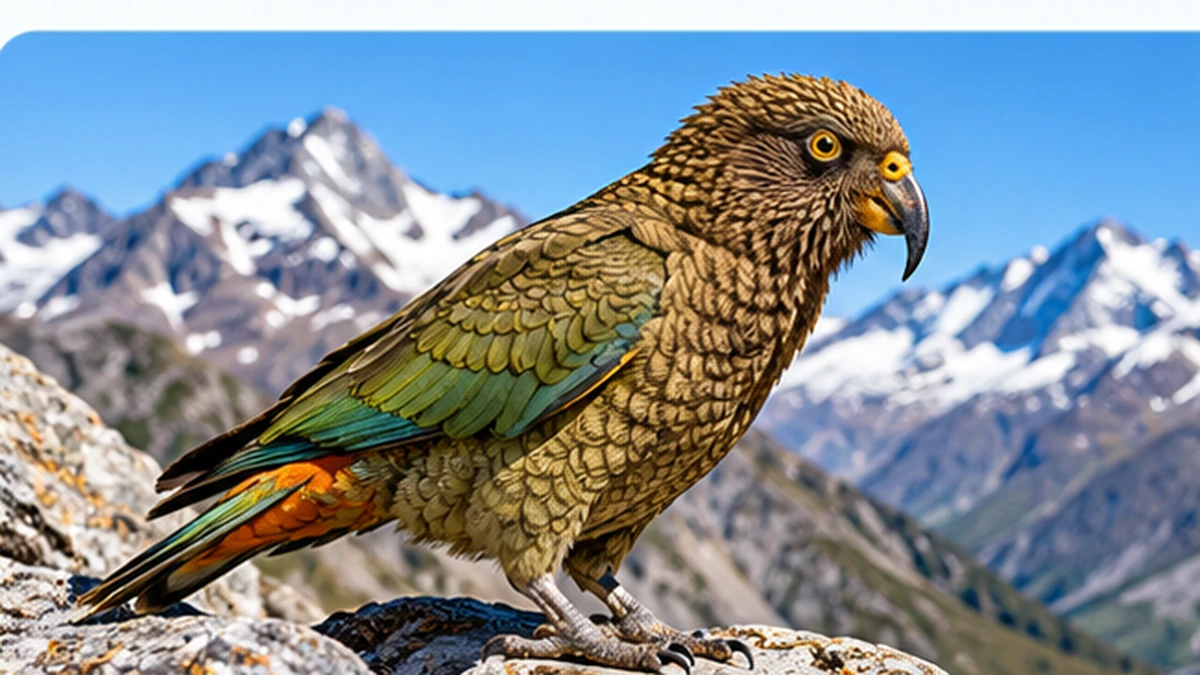
Kea in an alpine landscape
Look at the pictures and title. What do you already know about New Zealand birds? Write two ideas, then compare with a partner.
Write a short meaning or example for each word.
native –
nectar –
seed –
alpine –
protect –
1. What is the tūī famous for?
2. What does the kererū eat?
3. Where does the kea live?
4. How does the kererū help the forest?
5. What helps these birds survive?
Complete the sentences with the correct comparative form.
1. The kererū is (large) than the tūī.
2. The kea lives in (high) places than the kererū.
3. The tūī is often (noisy) than the kererū.
4. Kōwhai flowers are (bright) than many green leaves.
Listen
Listen to your teacher. You will hear the text twice. Answer the questions.
1. Which bird drinks nectar?
2. Which bird helps spread seeds?
3. Which bird lives in the mountains?
4. Name one word that describes the kea.
Speak
Discuss with a partner or small group.
• Which of these birds do you like best? Why?
• Why are native birds important to a country?
• What can people do to protect birds and forests?
Something New
Choose one New Zealand bird. Make a quick mini-poster with its name, where it lives, what it eats and one interesting fact. Then show your poster to a partner.
Write
Write 80–100 words about a New Zealand bird. Describe what it looks like, where it lives and why it is interesting.
Write three short statements about the Reading panel. Make two true and one false. Read them to a partner. Can your partner find the trick?
Tick each statement when you can do it.