By the end of this lesson, I will be able to:
- understand the main ideas and key details in Community Recovery After the Christchurch Earthquakes.
- learn and use important vocabulary from the lesson.
- use the lesson language in speaking or writing.
A complete B2 classroom lesson designed in the EnglishDrills teacher-lesson format.

By the end of this lesson, I will be able to:
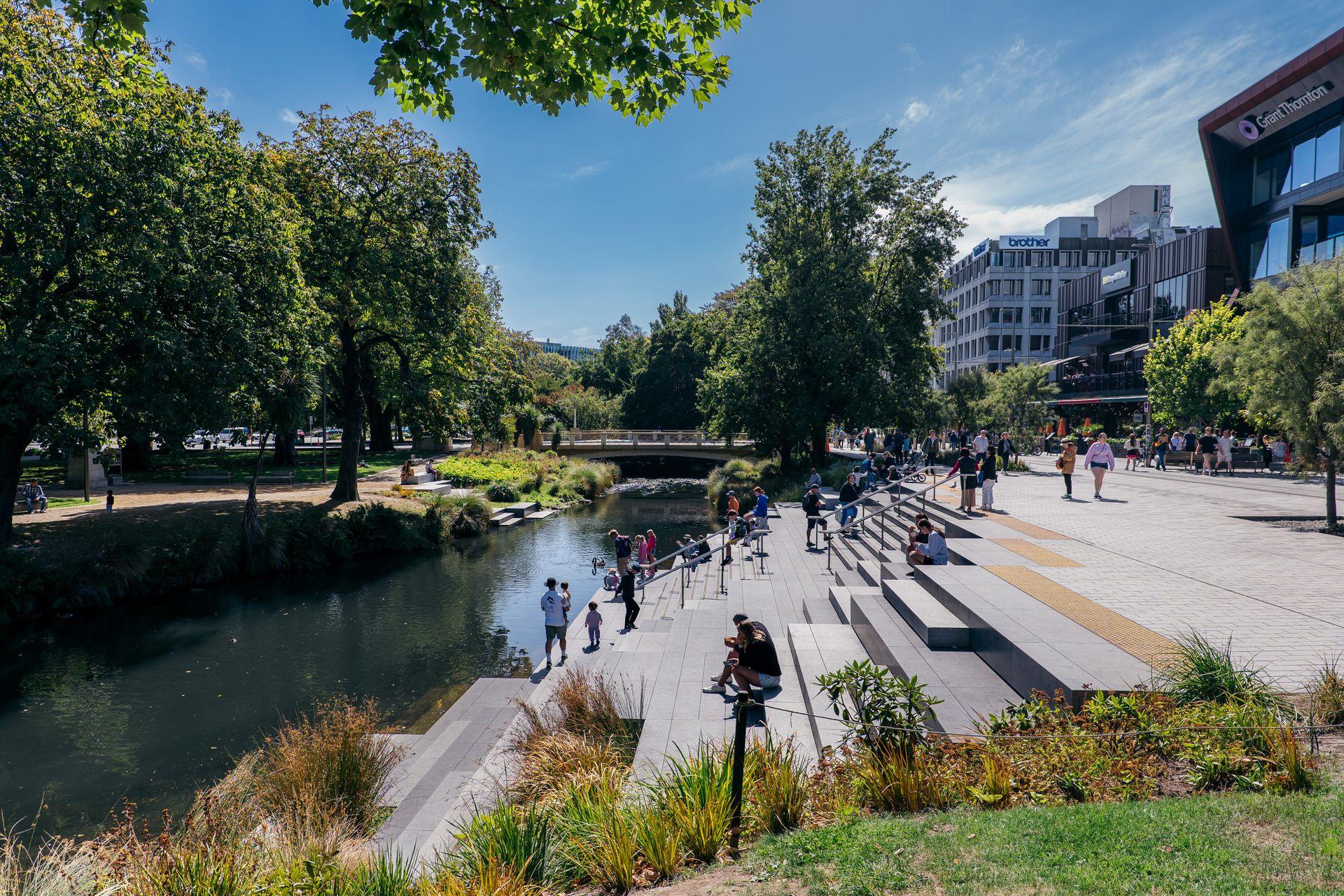
Look at the title and picture. What do you already know about this topic? Write two ideas, then compare with a partner.
Write a short meaning or synonym for each word.
resilience –
recovery –
displacement –
volunteer –
social cohesion –
1. Why was recovery more than a building problem?
2. What kinds of practical problems did residents face?
3. How did volunteers help?
4. What is one example of organised volunteer action?
5. What does community resilience mean in this reading?
Complete each sentence with a suitable cause or result connector.
1. Many homes were damaged. , some families had to move.
2. Volunteers organised quickly communities needed practical help.
3. Infrastructure was strengthened future risks could be reduced.
4. Recovery took years the effects were social as well as physical.
Listen
Listen to your teacher. You will hear the text twice. Answer the questions.
1. What did volunteers remove?
2. What did they deliver?
3. Who did they check on?
4. Did they replace official emergency services?
Speak
Discuss with a partner or small group.
• What helps a community recover after a disaster?
• Why can emotional recovery take longer than physical rebuilding?
• What role can young people play in community recovery?
Something New
In groups, imagine you are a local recovery council. Choose the five most important needs after a disaster and justify the order.
Write
Write 150–180 words explaining why strong communities matter after natural disasters. Use at least three vocabulary words.
Choose four words from the Vocabulary panel. Write a short clue for each word without writing the word itself. Swap with a partner and see how many you can guess.
Bonus: Use one of the words in a new sentence.
Tick each statement when you can do it.
Plan: Note your strongest idea, 3 useful words or phrases, and one supporting detail from the lesson.
Respond: Write a short paragraph of 6–8 sentences, or prepare a 45-second spoken response, showing what you learned.
Reflect: Underline the part of your response that best shows your progress.