By the end of this lesson, I will be able to:
- understand the main ideas and key details in Earthquake Preparedness and Community Resilience.
- learn and use important vocabulary from the lesson.
- use the lesson language in speaking or writing.
A complete B2 classroom lesson designed in the EnglishDrills teacher-lesson format.

By the end of this lesson, I will be able to:
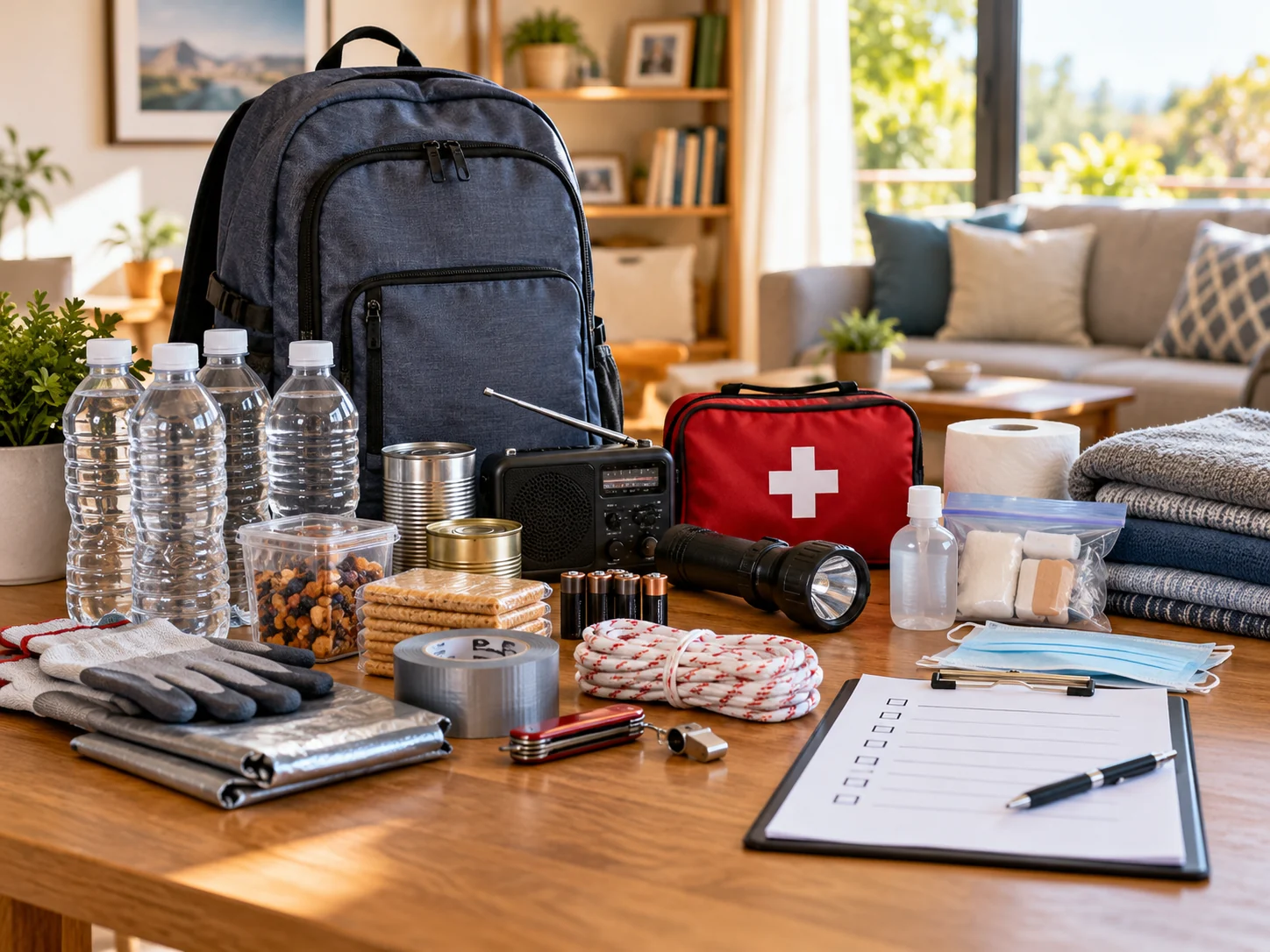
Look at the title and picture. What do you already know about this topic? Write two ideas, then compare with a partner.
Write a short meaning or synonym for each word.
preparedness –
mitigation –
evacuation –
vulnerability –
emergency kit –
1. Why is preparedness described as a shared responsibility?
2. What should households store?
3. How can schools prepare?
4. What role do engineers play?
5. What is the main purpose of preparedness?
Complete each sentence with a suitable modal verb.
1. Families keep emergency water and food.
2. Schools practise evacuation procedures regularly.
3. People ignore official safety advice.
4. Older buildings need strengthening.
Listen
Listen to your teacher. You will hear the text twice. Answer the questions.
1. Name two items in the kit.
2. What medicine-related item is mentioned?
3. What should families agree on?
4. Why might normal phone contact be difficult?
Speak
Discuss with a partner or small group.
• Who has the greatest responsibility for disaster preparedness?
• What should every school practise?
• What could your household improve?
Something New
In groups, choose only eight emergency-kit items from your own list. Compare with another group and defend two choices.
Write
Write 150–180 words giving practical advice to a family preparing for an earthquake.
Write three short statements about the Reading panel. Make two true and one false. Read them to a partner. Can your partner find the trick?
Tick each statement when you can do it.
Plan: Note your strongest idea, 3 useful words or phrases, and one supporting detail from the lesson.
Respond: Write a short paragraph of 6–8 sentences, or prepare a 45-second spoken response, showing what you learned.
Reflect: Underline the part of your response that best shows your progress.