The Mystery of the Mary Celeste
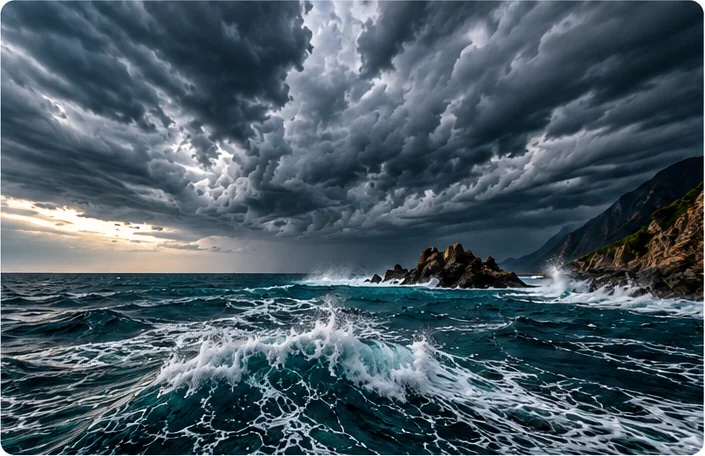
In December 1872, sailors aboard the British ship Dei Gratia noticed another vessel moving strangely in the Atlantic Ocean. It was the Mary Celeste, an American merchant ship. When a small group boarded it, they found something puzzling: the ship was seaworthy, much of its cargo was still aboard, but the captain, his family and the crew had disappeared.
The Mary Celeste had left New York in November, carrying industrial alcohol to Genoa, Italy. There were ten people aboard. When the abandoned ship was discovered, its lifeboat was missing. Some navigation equipment was also gone, suggesting that the people may have deliberately left the ship. Yet there was no clear evidence of violence.
Over the years, many dramatic theories appeared. Stories described pirates, sea monsters and even supernatural events. Most historians, however, look for a practical explanation. One possibility is that the captain feared an explosion from alcohol fumes. Another is that rough weather or problems with the ship's equipment made the situation appear more dangerous than it really was.
No theory has been proved. The fate of the ten people remains unknown, which is why the Mary Celeste continues to be one of the world's most famous maritime mysteries.
Questions
The Mystery of the Mary Celeste — Answer Key
Continue practising
Build on this activity with another closely related practice.