Rewilding: Giving Nature More Space
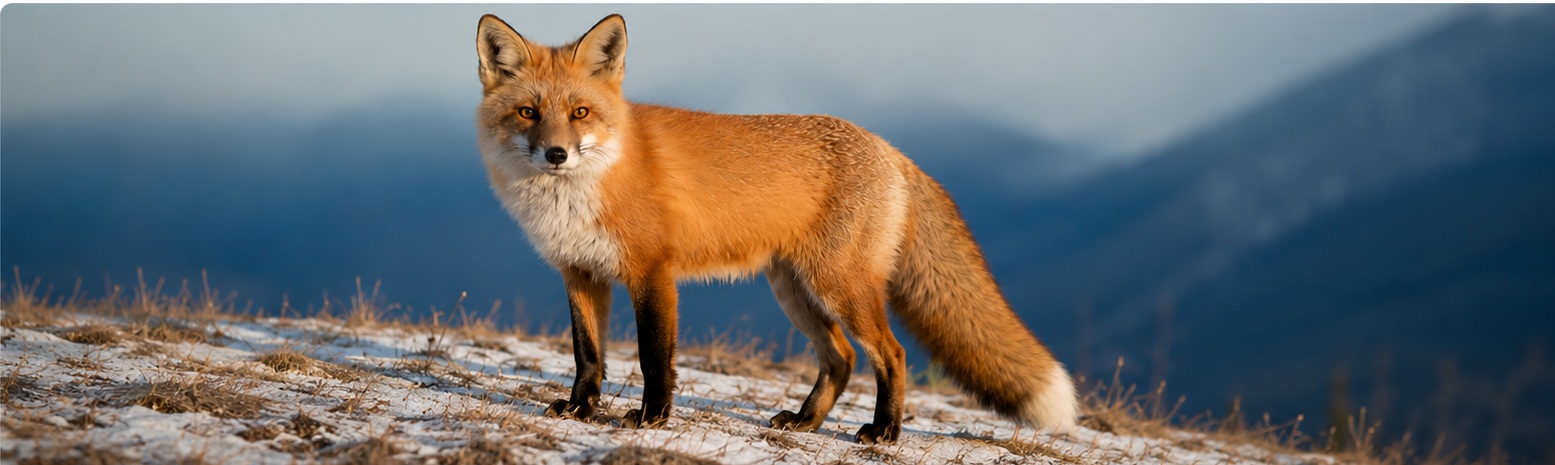
Rewilding is an approach to conservation that aims to restore natural processes rather than manage every detail of an ecosystem. Projects vary greatly in scale, but they may involve restoring wetlands, reconnecting fragmented habitats or allowing forests to regenerate with less human intervention.
One attraction of rewilding is that healthy ecosystems can perform useful functions on their own. Wetlands can store floodwater, vegetation can reduce soil erosion, and diverse habitats can support pollinators and other wildlife. In some projects, missing animal species are reintroduced because their behaviour influences the wider landscape.
Rewilding can also create disagreements. Land that appears “unused” from a conservation perspective may already support farming, recreation or local livelihoods. Reintroducing large animals can raise concerns about livestock, safety or property. As a result, projects that ignore local communities may face strong resistance even when their ecological goals are sound.
Supporters increasingly argue that successful rewilding requires both ecological evidence and social cooperation. Instead of treating people as separate from nature, projects can involve landowners, residents and Indigenous communities in deciding what restoration should look like and how benefits and risks should be shared.
Questions
Rewilding: Giving Nature More Space — Answer Key
Continue practising
Build on this activity with another closely related practice.