Why Old Buildings Matter
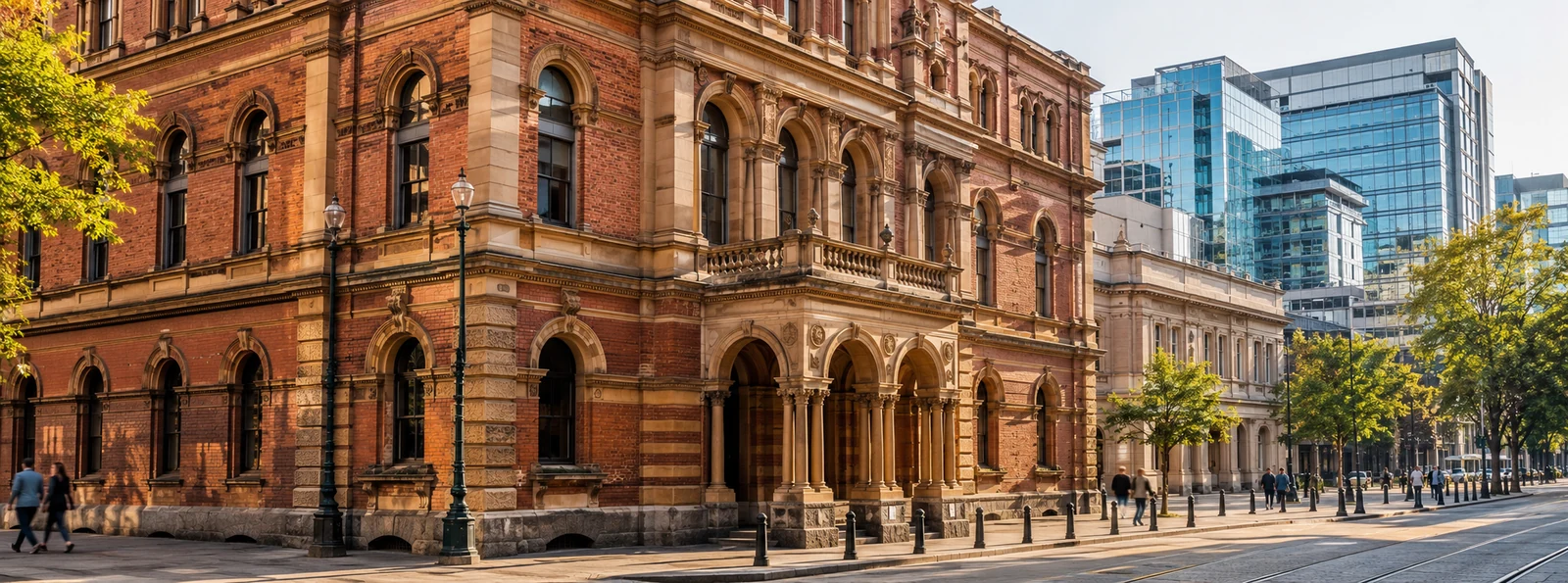
Debates about old buildings are often framed as a conflict between nostalgia and progress. Developers may argue that ageing structures occupy valuable land inefficiently, while preservationists emphasise architectural character and historical continuity. Both positions can miss a more useful question: what kinds of value does an existing building carry, and can those values be retained while the city continues to change?
Historic structures can provide tangible cultural evidence. Street patterns, construction techniques and modest everyday buildings may reveal how earlier communities lived, not merely how wealthy institutions wished to represent themselves. Familiar landmarks also contribute to collective memory by giving residents stable reference points in rapidly changing neighbourhoods.
Environmental arguments have strengthened the case for reuse. Demolishing a sound building discards the energy and materials already invested in its construction, while replacement requires new resources and generates waste. Adaptive reuse can therefore reduce some environmental impacts, although poorly insulated or hazardous structures may require substantial upgrading.
Preservation nevertheless involves trade-offs. Not every old building is exceptional, and rigid protection can prevent cities from responding to housing shortages, accessibility needs or changing patterns of work. A mature conservation policy therefore distinguishes between significance and mere age. It asks what should be protected, what can be altered, and where replacement may deliver greater public benefit.
Questions
Why Old Buildings Matter — Answer Key
Continue practising
Build on this activity with another closely related practice.