The Printing Press: When Ideas Began to Travel Faster
An early printing press. Wikimedia Commons.
Free levelled English reading practice. Read for meaning first, then use the full Speed Reading tool to time yourself and track your progress.
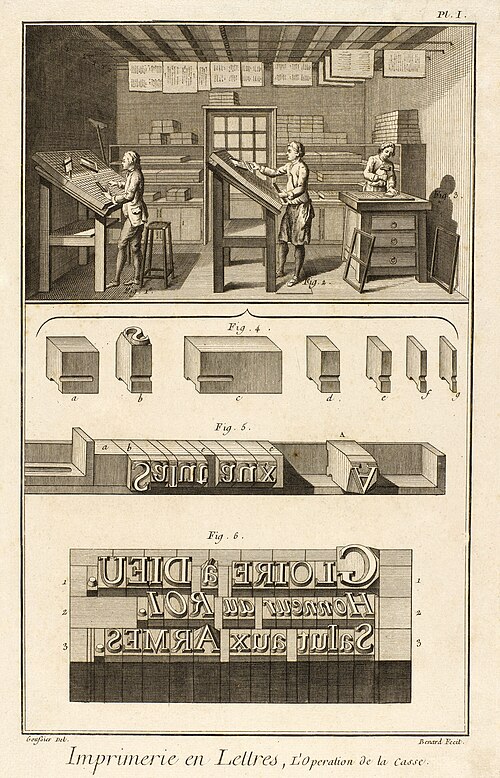
Books existed long before Johannes Gutenberg, but producing them was slow and expensive. In medieval Europe, manuscripts were commonly copied by hand, while block printing and movable-type technologies had already developed in East Asia. Around the mid-fifteenth century, Gutenberg, working in Mainz in what is now Germany, combined several technologies into an effective system for European alphabetic printing. His approach used durable movable metal type, oil-based ink and a press capable of applying even pressure. Individual letters could be arranged, printed, redistributed and reused. Gutenberg's famous Bible, produced in the 1450s, demonstrated that printed books could achieve impressive visual quality. The consequences extended far beyond cheaper books. Printers could reproduce hundreds of substantially identical copies of a text, allowing ideas to circulate more quickly and reducing some of the errors introduced by repeated hand copying. Printing contributed to expanding literacy, scholarship, religious debate and scientific communication, although these changes unfolded gradually and unevenly. It also enabled propaganda, controversy and misinformation to travel more efficiently. Gutenberg did not single-handedly invent printing, and movable type had precedents in Asia centuries earlier. His historical significance rests instead on developing a commercially influential European printing system whose spread transformed the scale and speed of written communication.
Comprehension questions
How were many medieval European manuscripts produced?
Where had movable type existed before Gutenberg?
What could printers do with movable metal letters?
What broader effect did printing have?
Why does the passage avoid saying Gutenberg invented printing alone?