English Drills
Home › Teacher lessons › The Mystery of Stonehenge

The Mystery of Stonehenge

A complete A2 classroom lesson built around an engaging topic. Use it as a 45–60 minute lesson, or choose individual sections for a shorter class.

A250–60 minutesHistory & archaeologyPrintable
Teacher lesson: Look at the picture and title. What do you already know about this topic? Write two ideas, then compare with a partner. Work through the nine panels in order, or choose the sections that suit your class. Teacher answers and the listening script are stored separately.
Teacher AnswersOpen related EnglishDrills reading
1 Lesson Goals
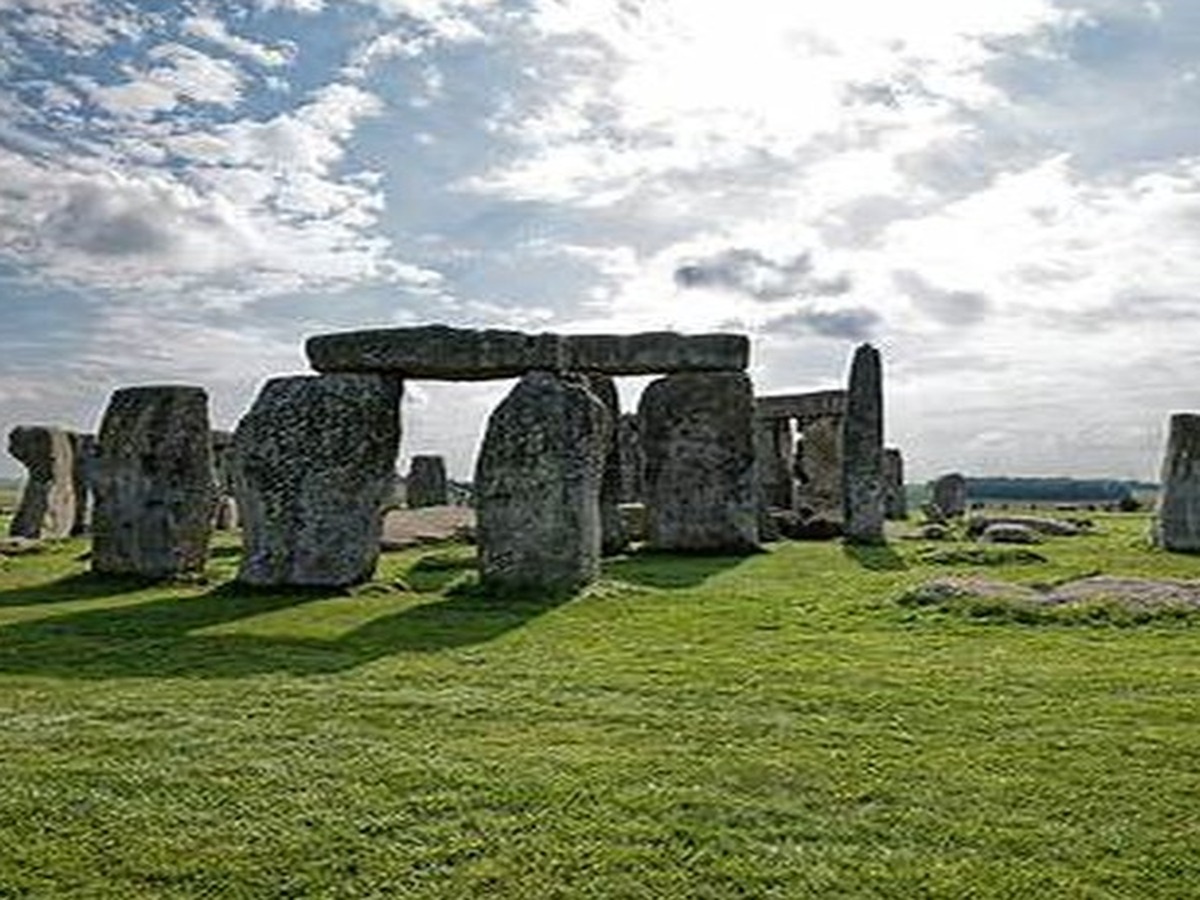
Stonehenge in southern England

By the end of this lesson, I will be able to:

  • understand the main ideas and key details in The Mystery of Stonehenge.
  • learn and use important vocabulary from the lesson.
  • use the lesson language in speaking or writing.
Start here: What do you already know about this topic? Tell a partner one idea.
2 Reading
Before you read:

Look at the picture and title. What do you already know about this topic? Write two ideas, then compare with a partner.

Stonehenge is a prehistoric stone monument in southern England. People began building parts of the site more than 4,000 years ago. Large stones were moved into a circular arrangement, but researchers still debate exactly how the builders transported them. Some of the smaller stones came from Wales, many kilometres away. Stonehenge was changed and rebuilt over a long period. Archaeologists have found burials and other evidence around the site, which suggests that it had an important ceremonial role. The monument also lines up with the Sun at certain times of the year, including the summer and winter solstices. Its exact purpose remains uncertain.
3 Vocabulary
Words: prehistoric · monument · transport · ceremonial · solstice

Write a short meaning or synonym for each word.

prehistoric –

monument –

transport –

ceremonial –

solstice –

4 Check Your Understanding

1. Where is Stonehenge?

2. How old are some parts of the site?

3. Where did some smaller stones come from?

4. What evidence have archaeologists found?

5. What remains uncertain?

5 Language Focus

Complete the passive forms.

1. Large stones (move) into a circle.

2. Some smaller stones (bring) from Wales.

3. The site (change) over many years.

4. Burials (find) around the monument.

6 Listen & Speak

Listen

Listen to your teacher. You will hear the text twice. Answer the questions.

1. Was Stonehenge built all at once?

2. What happened over many generations?

3. What were some stones given?

4. Who continues to study the site?

Speak

Discuss with a partner or small group.

• Why do ancient mysteries attract visitors?
• How could people move heavy stones without modern machines?
• Should ancient sites be protected from too many visitors?

7 Use Your English

Something New

Work in pairs. Invent one theory about Stonehenge and one piece of evidence. Present it to another pair and let them question your theory.

Write

Write 80–100 words about why Stonehenge is still interesting today. Include one fact and one mystery.

8 Puzzle or Game
Draw, Mime or Describe

Choose a useful word from this lesson. Do not say the word. Draw it, mime it, or describe it. Your partner has three guesses.

Swap roles and play again with a different word.

9 Success Criteria ✓

Tick each statement when you can do it.

  • I can explain the main idea of the lesson.
  • I can use at least three new words correctly.
  • I can complete the language task.
  • I can share an idea in spoken or written English.

One thing I am proud of today:

10 Show What You Can Do
My final challenge: The Mystery of Stonehenge

Plan: Write 5 useful words or ideas from the lesson, or make a quick labelled sketch.

Write: Write 5–7 sentences that show what you learned. Try to use at least 3 words from the Vocabulary panel.

Share: Explain your work to a partner for about 30 seconds.