English Drills
Home › Teacher lessons › Why Dinosaurs Disappeared

Why Dinosaurs Disappeared

A complete B1 classroom lesson built around an engaging topic. Use it as a 45–60 minute lesson, or choose individual sections for a shorter class.

B150–60 minutesScience & historyPrintable
Teacher lesson: Look at the picture and title. What do you already know about this topic? Write two ideas, then compare with a partner. Work through the nine panels in order, or choose the sections that suit your class. Teacher answers and the listening script are stored separately.
Teacher AnswersOpen related EnglishDrills reading
1 Lesson Goals
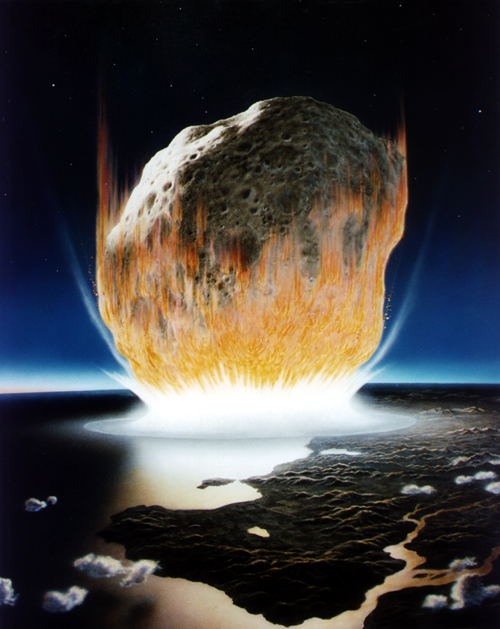
Artist's impression of the asteroid impact linked to dinosaur extinction

By the end of this lesson, I will be able to:

  • understand the main ideas and key details in Why Dinosaurs Disappeared.
  • learn and use important vocabulary from the lesson.
  • use the lesson language in speaking or writing.
Start here: What do you already know about this topic? Tell a partner one idea.
2 Reading
Before you read:

Look at the picture and title. What do you already know about this topic? Write two ideas, then compare with a partner.

About 66 million years ago, a large asteroid struck Earth near what is now the Yucatán Peninsula in Mexico. The impact released enormous energy and threw dust, rock and gases high into the atmosphere. Sunlight was reduced, temperatures changed and plant growth was disrupted. Food chains then came under severe pressure. At roughly the same time, huge volcanic eruptions were occurring in India, releasing gases that also affected the climate. Most scientists consider the asteroid impact the main cause of the mass extinction at the end of the Cretaceous Period, although volcanic activity may have added further stress. Many species disappeared, including all non-avian dinosaurs, while some groups survived and later expanded.
3 Vocabulary
Words: asteroid · impact · atmosphere · disrupted · extinction

Write a short meaning or synonym for each word.

asteroid –

impact –

atmosphere –

disrupted –

extinction –

4 Check Your Understanding

1. When did the asteroid strike occur?

2. Where did it strike?

3. How was sunlight affected?

4. What other major event was happening?

5. Which dinosaurs disappeared?

5 Language Focus

Choose the best connector: because, therefore, as a result, because of.

1. Sunlight decreased dust in the atmosphere.

2. Plants received less light; , many food chains were affected.

3. Many species struggled the rapid environmental changes.

4. The impact changed the climate. , ecosystems faced severe stress.

6 Listen & Speak

Listen

Listen to your teacher. You will hear the text twice. Answer the questions.

1. What is the crater called?

2. What do scientists study?

3. Name one type of evidence.

4. What event threw out layers of material?

Speak

Discuss with a partner or small group.

• Why is it difficult to reconstruct events from millions of years ago?
• Which evidence would you trust most?
• How can one event affect an entire ecosystem?

7 Use Your English

Something New

Write five events from the extinction story on separate slips or boxes. Mix them and challenge a partner to put the chain in the best order.

Write

Write 100–120 words explaining the main evidence-based explanation for the dinosaur extinction.

8 Puzzle or Game
Memory Challenge

Close or cover the Vocabulary panel. In 45 seconds, write as many lesson words as you can remember. Then check your spelling.

Score: ____ words remembered correctly.

Use your best word in a sentence.

9 Success Criteria ✓

Tick each statement when you can do it.

  • I can explain the main idea of the lesson.
  • I can use at least three new words correctly.
  • I can complete the language task.
  • I can share an idea in spoken or written English.

One thing I am proud of today:

10 Show What You Can Do
Final challenge: Why Dinosaurs Disappeared

Plan: Note your strongest idea, 3 useful words or phrases, and one supporting detail from the lesson.

Respond: Write a short paragraph of 6–8 sentences, or prepare a 45-second spoken response, showing what you learned.

Reflect: Underline the part of your response that best shows your progress.