By the end of this lesson, I will be able to:
- understand the main ideas and key details in The Camera and Everyday Photography.
- learn and use important vocabulary from the lesson.
- use the lesson language in speaking or writing.
A complete B2 classroom lesson built around an engaging topic. Use it as a 45–60 minute lesson, or choose individual sections for a shorter class.

By the end of this lesson, I will be able to:
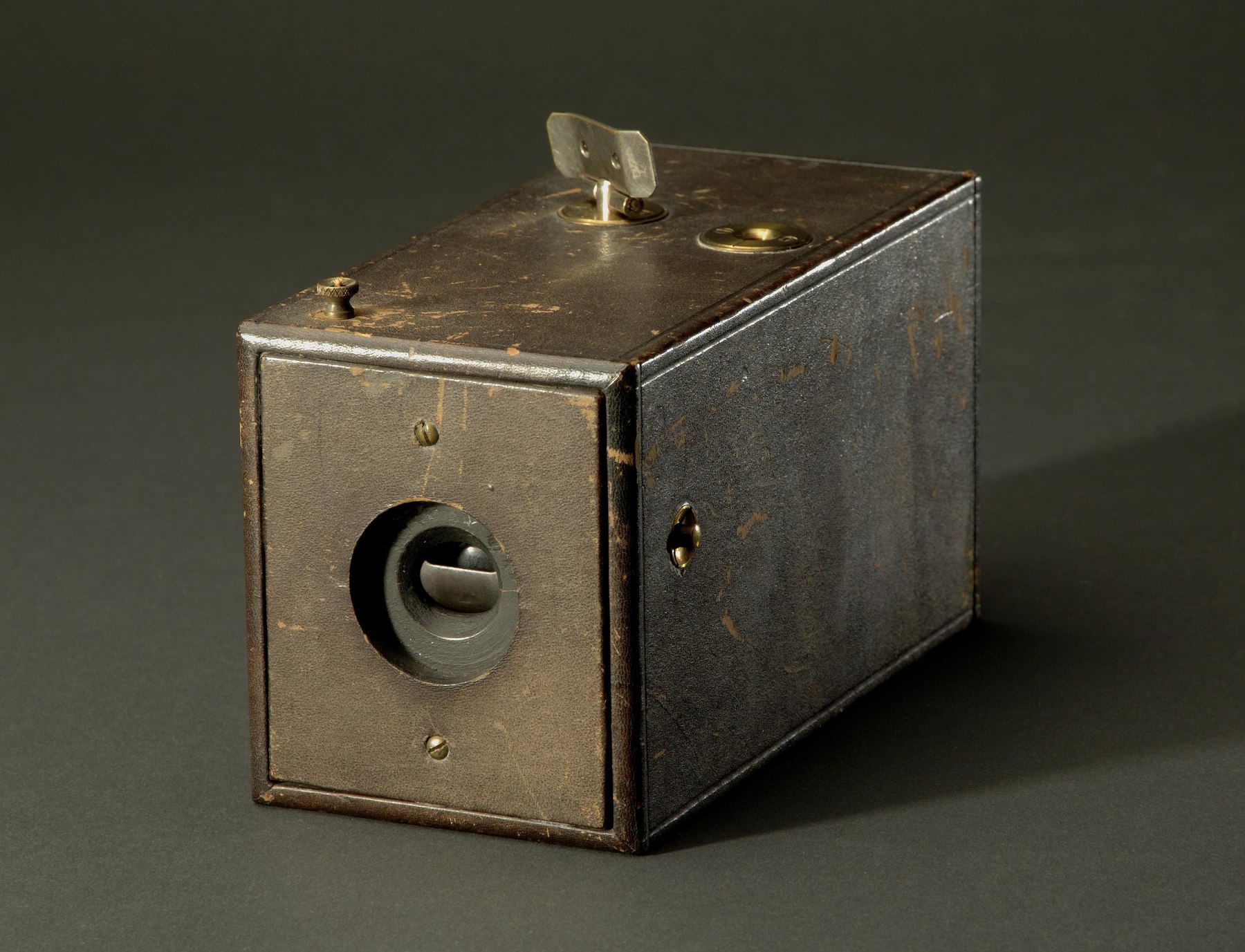
Look at the picture and title. What do you already know about this topic? Write two ideas, then compare with a partner.
Write a short meaning or synonym for each word.
exposure –
processing –
accessible –
sensor –
consumer –
1. Did photography develop from one invention?
2. What problem did early cameras have?
3. What did Kodak customers do after taking photographs?
4. How did Kodak affect photography?
5. What changed photography more recently?
Rewrite each sentence in the passive.
1. Companies developed new chemical processes.
2. Kodak processed customers’ films.
3. Digital sensors record light electronically.
4. People share billions of images online.
Listen
Listen to your teacher. You will hear the text twice. Answer the questions.
1. What three things do smartphone cameras combine?
2. What can software adjust?
3. Does all image-making happen before light reaches the sensor?
4. What role does software play?
Speak
Discuss with a partner or small group.
• Has photography become more truthful or less truthful in the digital age?
• Why do people take so many photographs now?
• Should schools teach image editing and media literacy?
Something New
Plan a story told in exactly four photographs. A partner guesses the story from your captions, then suggests one improvement.
Write
Write 140–170 words explaining how photography became easier and more widely used over time.
Choose a useful word from this lesson. Do not say the word. Draw it, mime it, or describe it. Your partner has three guesses.
Swap roles and play again with a different word.
Tick each statement when you can do it.
Plan: Note your strongest idea, 3 useful words or phrases, and one supporting detail from the lesson.
Respond: Write a short paragraph of 6–8 sentences, or prepare a 45-second spoken response, showing what you learned.
Reflect: Underline the part of your response that best shows your progress.