English Drills
Home › Teacher lessons › Mechanical Engineering and Automation

Mechanical Engineering and Automation

A complete B2 classroom lesson designed in the EnglishDrills teacher-lesson format.

B255–60 minutesEngineering & technologyPrintable
Teacher lesson: Look at the title. What do you already know about this topic? Write two ideas, then compare with a partner. Work through the nine panels in order, or choose the sections that suit your class. Teacher answers and the listening script are stored separately.
Teacher AnswersBack to Teacher Lessons
1 Lesson Goals
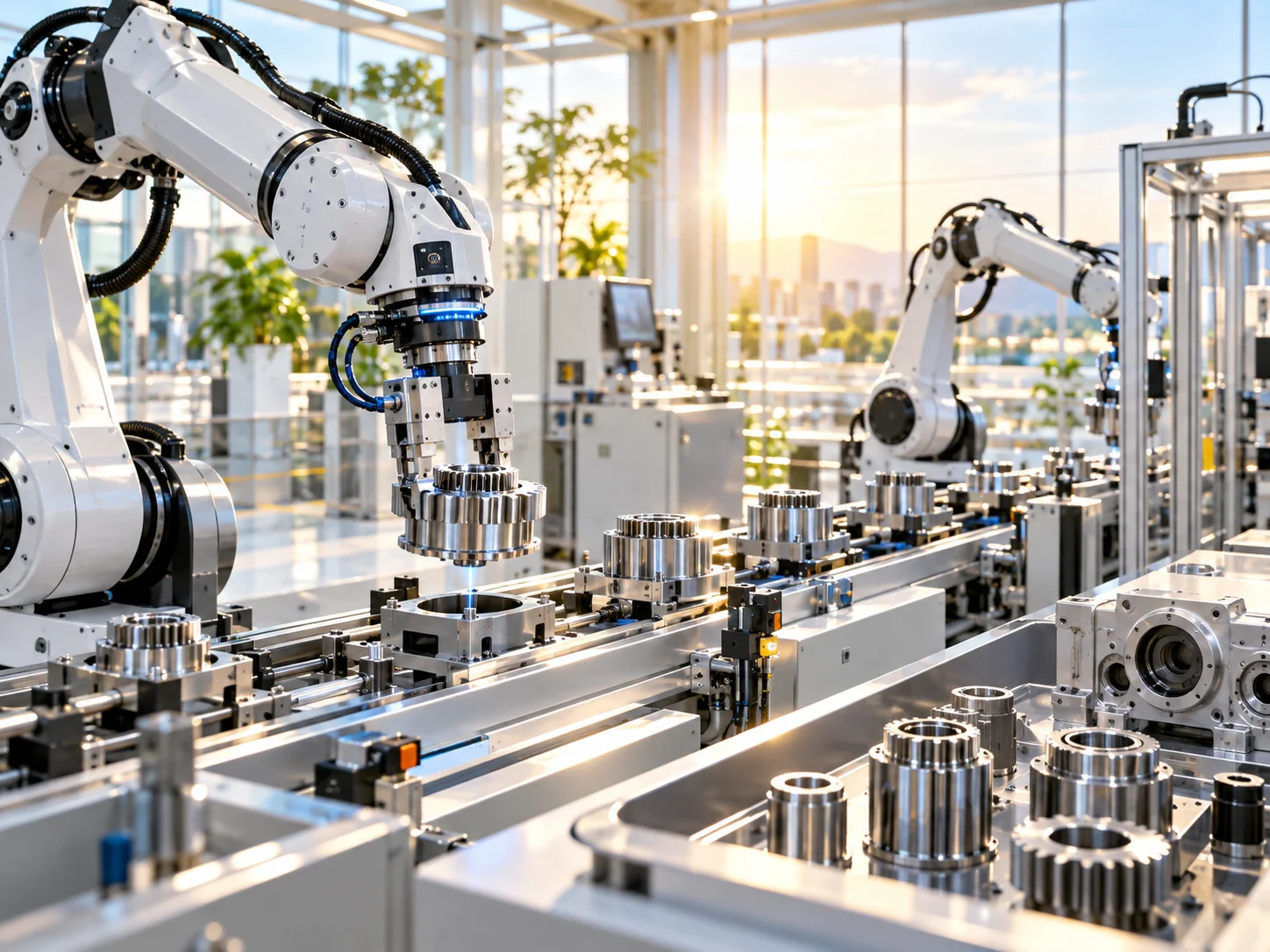
A sleek robotic assembly line in a modern factory

By the end of this lesson, I will be able to:

  • understand the main ideas and key details in Mechanical Engineering and Automation.
  • learn and use important vocabulary from the lesson.
  • use the lesson language in speaking or writing.
Start here: What do you already know about this topic? Tell a partner one idea.
2 Reading
Before you read:

Look at the title. What do you already know about this topic? Write two ideas, then compare with a partner.

Mechanical engineering focuses on machines, movement and energy. In modern factories, mechanical engineers often work with automated systems that assemble products, move materials and perform repetitive tasks. Industrial robots must be designed with great precision because a small error can damage a product or create a safety risk.

Computer-aided design allows engineers to build detailed digital models before a machine is manufactured. Simulations can test how a part will behave under heat, pressure or repeated movement. This helps engineers identify weaknesses early. Materials are also changing. Lightweight composites are increasingly used in aircraft, medical devices and wind turbines because they combine strength with low weight and resistance to corrosion.

Automation is now common outside factories as well. Hospitals use robotic equipment, and homes contain devices such as robotic vacuum cleaners and smart heating systems. These machines must be reliable, easy to maintain and safe for users. As automation becomes more advanced, mechanical engineers will need to work closely with software specialists and consider not only performance but also repair, energy use and the effect of technology on people.
3 Vocabulary
Key words: automation · precision · simulation · composite · corrosion

Write a short meaning or synonym for each word.

automation –

precision –

simulation –

composite –

corrosion –

4 Check Your Understanding

1. Why must industrial robots be precise?

2. How do simulations help engineers?

3. Why are composites useful?

4. Give two examples of automation outside factories.

5. What issues besides performance must engineers consider?

5 Language Focus

Complete the sentences with the correct passive form of the verb in brackets.

1. Robotic arms (design) to move precisely.

2. Digital models (test) before machines are built.

3. Lightweight composites (use) in aircraft and turbines.

4. Safety systems (check) regularly.

6 Listen & Speak

Listen

Listen to your teacher. You will hear the text twice. Answer the questions.

1. What detects the position of a part?

2. What moves the arm?

3. What controls speed and direction?

4. What can happen if a part is out of place?

Speak

Discuss with a partner or small group.

• Which household machines are already automated?
• What jobs are robots especially suitable for?
• What safety features should automated machines have?

7 Use Your English

Something New

Invent a useful household robot. Pitch it to a partner as if they are deciding whether to buy it. Explain three parts and what they do.

Write

Write 150–180 words describing one automated machine and explaining why mechanical engineers are important in its design.

8 Puzzle or Game
Two Truths and a Trick

Write three short statements about the Reading panel. Make two true and one false. Read them to a partner. Can your partner find the trick?

9 Success Criteria ✓

Tick each statement when you can do it.

  • I can explain the main idea of the lesson.
  • I can use at least three new words correctly.
  • I can complete the language task.
  • I can share an idea in spoken or written English.

One thing I am proud of today:

10 Show What You Can Do
Final challenge: Mechanical Engineering and Automation

Plan: Note your strongest idea, 3 useful words or phrases, and one supporting detail from the lesson.

Respond: Write a short paragraph of 6–8 sentences, or prepare a 45-second spoken response, showing what you learned.

Reflect: Underline the part of your response that best shows your progress.