English Drills
Home › Teacher lessons › Modern Water Treatment Systems

Modern Water Treatment Systems

A complete B2 classroom lesson designed in the EnglishDrills teacher-lesson format.

B255–60 minutesEnvironment & engineeringPrintable
Teacher lesson: Look at the title. What do you already know about this topic? Write two ideas, then compare with a partner. Work through the nine panels in order, or choose the sections that suit your class. Teacher answers and the listening script are stored separately.
Teacher AnswersBack to Teacher Lessons
1 Lesson Goals
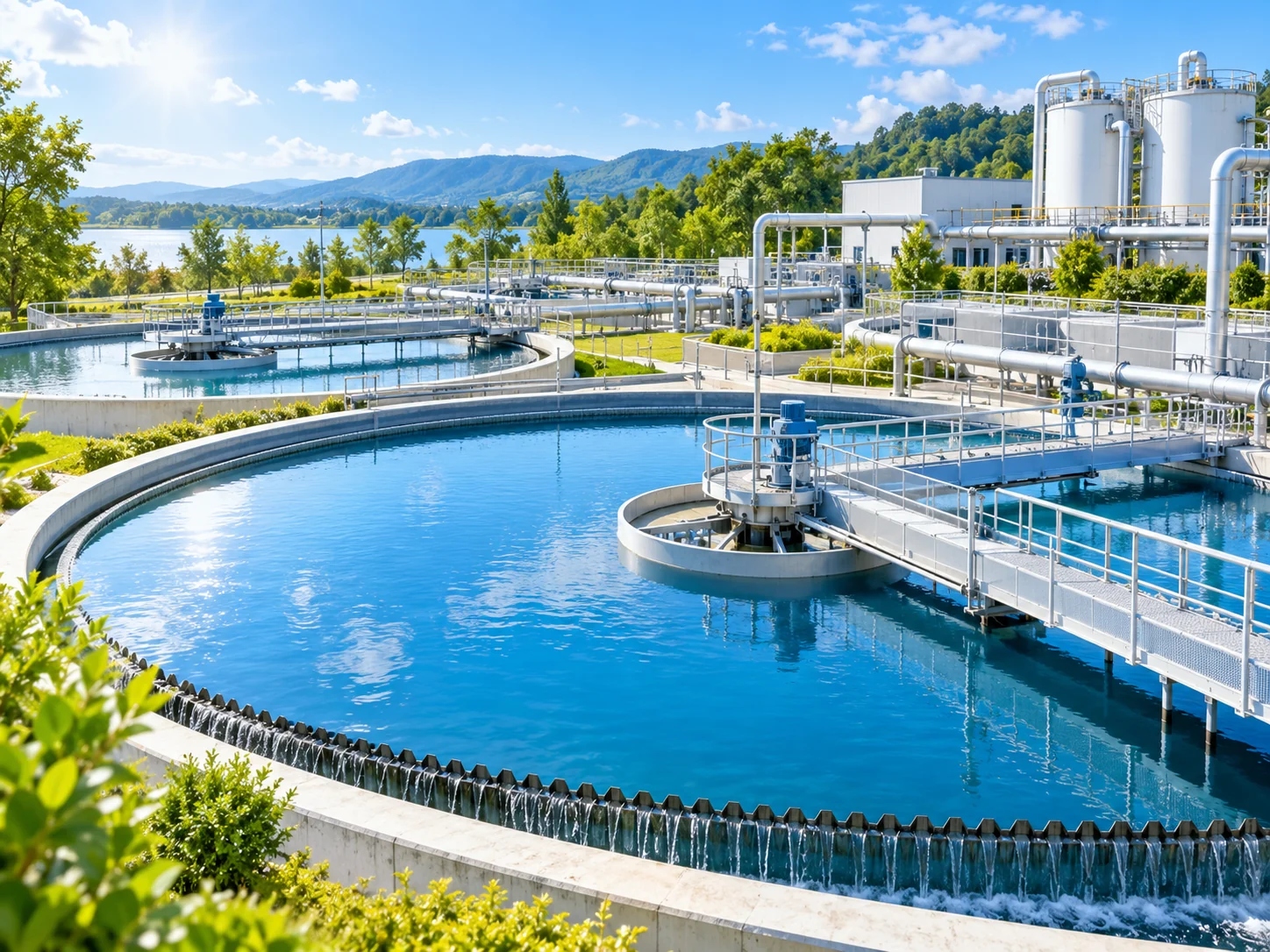
A modern water treatment plant with bright blue basins

By the end of this lesson, I will be able to:

  • understand the main ideas and key details in Modern Water Treatment Systems.
  • learn and use important vocabulary from the lesson.
  • use the lesson language in speaking or writing.
Start here: What do you already know about this topic? Tell a partner one idea.
2 Reading
Before you read:

Look at the title. What do you already know about this topic? Write two ideas, then compare with a partner.

Water treatment protects public health by removing material that can make water unsafe. In a typical treatment plant, the first stage is screening. Large objects such as leaves, sticks and plastic are removed before they can damage pumps or pipes. The water then moves to processes that help tiny particles join together into larger clumps, which can settle and be removed more easily.

Next, water passes through filters made from materials such as sand, gravel or activated carbon. These layers remove particles and some chemicals that affect taste and smell. The final major stage is disinfection. Chlorine, ozone or ultraviolet light can be used to kill harmful microorganisms. Each method has advantages and limitations, so engineers must control the process carefully.

Treatment does not end when water leaves the plant. Ageing pipes can leak or allow contamination, and extreme weather can change the quality of source water very quickly. Modern systems therefore use sensors to monitor water quality in real time. Some plants also recycle wastewater for irrigation or industry, reducing pressure on rivers and reservoirs.
3 Vocabulary
Key words: contaminant · filtration · disinfection · sediment · monitor

Write a short meaning or synonym for each word.

contaminant –

filtration –

disinfection –

sediment –

monitor –

4 Check Your Understanding

1. What is removed during screening?

2. Why are small particles made to clump together?

3. What can filtration remove?

4. What is the purpose of disinfection?

5. Why are sensors useful in modern systems?

5 Language Focus

Complete the sequence with suitable ordering words such as First, Next, Then or Finally.

1. large objects are removed by screening.

2. particles are grouped and allowed to settle.

3. the water passes through filters.

4. it is disinfected before distribution.

6 Listen & Speak

Listen

Listen to your teacher. You will hear the text twice. Answer the questions.

1. What can heavy rain add to rivers?

2. Why does treatment become harder?

3. What may plants adjust?

4. What must operators monitor more closely?

Speak

Discuss with a partner or small group.

• Which stage of water treatment seems most important?
• How can households reduce pressure on water supplies?
• Should treated wastewater be reused? For what purposes?

7 Use Your English

Something New

Draw or write the four treatment stages on separate cards or boxes. Mix them and challenge a partner to put them in order and explain each step.

Write

Write 150–180 words explaining how a modern water-treatment system makes water safer and what challenges engineers face.

8 Puzzle or Game
Memory Challenge

Close or cover the Vocabulary panel. In 45 seconds, write as many lesson words as you can remember. Then check your spelling.

Score: ____ words remembered correctly.

Use your best word in a sentence.

9 Success Criteria ✓

Tick each statement when you can do it.

  • I can explain the main idea of the lesson.
  • I can use at least three new words correctly.
  • I can complete the language task.
  • I can share an idea in spoken or written English.

One thing I am proud of today:

10 Show What You Can Do
Final challenge: Modern Water Treatment Systems

Plan: Note your strongest idea, 3 useful words or phrases, and one supporting detail from the lesson.

Respond: Write a short paragraph of 6–8 sentences, or prepare a 45-second spoken response, showing what you learned.

Reflect: Underline the part of your response that best shows your progress.