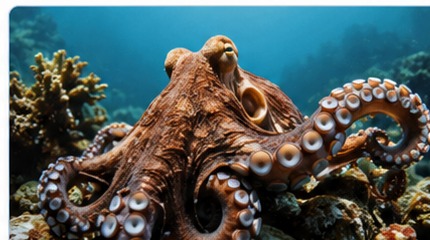
A2 English reading comprehension about how octopuses change colour. Read the passage, answer the questions, then use the Speed Reading tool to practise fluency.
An octopus can change its appearance in a fraction of a second. This remarkable ability helps it hide from predators, approach prey and communicate with other octopuses. Its skin contains special cells called chromatophores. Each chromatophore holds coloured pigment and is controlled by tiny muscles. When the muscles pull a cell open, more colour becomes visible. When they relax, the coloured area becomes smaller. Other layers in the skin can reflect light and create additional effects. Together, these systems allow an octopus to produce patterns of brown, red, orange, white and other shades. Colour is only part of the disguise. Some octopuses can also change the texture of their skin, making it look smooth or bumpy like nearby rocks and coral. They can even alter the way they hold their bodies to match their surroundings. The changes are controlled by the nervous system and happen extremely quickly. Scientists continue to study octopus skin because it is a striking example of camouflage and communication in nature. It has also inspired research into materials that might one day change colour or appearance automatically.