Shackleton and the Endurance: Survival in Antarctica
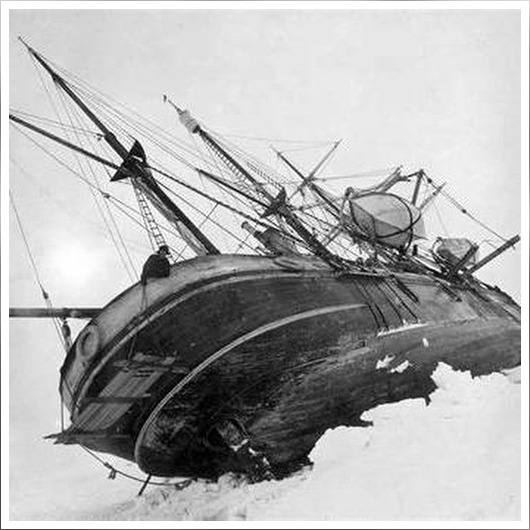
Shackleton's ship Endurance trapped in Antarctic ice. Image from Wikimedia Commons.
Free levelled English reading practice. Read for meaning first, then use the full Speed Reading tool to time yourself and track your progress.
Ernest Shackleton's Imperial Trans-Antarctic Expedition set out in 1914 with an audacious goal: to cross Antarctica from sea to sea via the South Pole. The crossing never began. Shackleton's ship, Endurance, became trapped in pack ice in the Weddell Sea in early 1915. For months the vessel drifted with the ice until crushing pressure damaged it beyond recovery. The crew abandoned ship and camped on the moving ice before Endurance finally sank. When the ice broke apart, the men launched three small lifeboats and eventually reached the bleak, uninhabited Elephant Island. They were alive, but far beyond normal rescue routes. Shackleton then chose five companions for an extraordinary open-boat journey. In the 6.9-metre James Caird, they sailed roughly 1,300 kilometres across the stormy Southern Ocean to South Georgia. Landing on the wrong side of the mountainous island, Shackleton and two others then crossed its largely unmapped interior on foot to reach a whaling station. Several rescue attempts followed before the men left on Elephant Island were finally recovered in August 1916. Remarkably, every member of the Endurance party survived. The expedition failed in its original geographical objective, yet became famous as a case study in leadership, adaptability and survival under extreme uncertainty.
Comprehension questions
What was the expedition’s original goal?
What destroyed Endurance?
Where did most of the men wait for rescue?
What was the James Caird?
Why is the expedition remembered despite failing its original goal?