Free levelled English reading practice. Read for meaning first, then use the full Speed Reading tool to time yourself and track your progress.
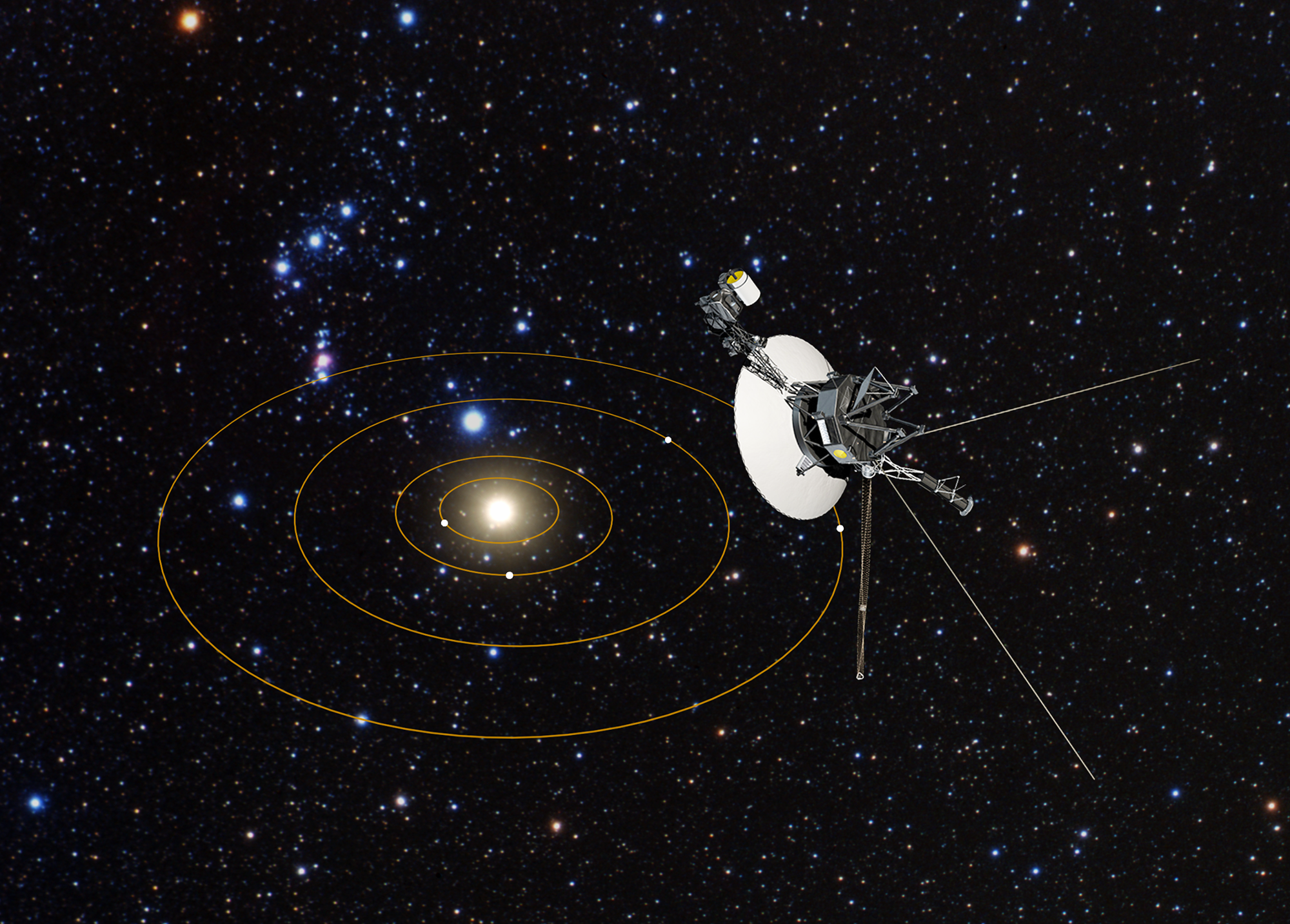
Voyager 1 began its journey in 1977, when NASA launched the robotic spacecraft to explore the outer solar system. It flew past Jupiter in 1979 and Saturn in 1980, sending back detailed images and scientific measurements that changed scientists’ understanding of both planets and their moons. After the Saturn encounter, Voyager 1 continued outward on a path that would never return toward the Sun. In 1990, mission controllers instructed the spacecraft to turn its camera back toward the solar system. One of the resulting photographs showed Earth as a tiny point of light—the famous ‘Pale Blue Dot’. In August 2012, Voyager 1 crossed the heliopause, the boundary where the solar wind gives way to the interstellar environment, becoming the first human-made object to enter interstellar space. Although its cameras have long been switched off, the spacecraft continues to communicate with Earth through NASA’s Deep Space Network. Engineers carefully manage its declining electrical power, switching off instruments when necessary to extend the mission. Voyager 1 demonstrates how a spacecraft designed for a relatively short planetary mission can continue producing scientific value decades later, far beyond its original destinations.