English Drills
Home › Teacher lessons › From Coffee Cherry to Cup

From Coffee Cherry to Cup

A complete A2 classroom lesson built around an engaging topic. Use it as a 45–60 minute lesson, or choose individual sections for a shorter class.

A250–60 minutesFood & processPrintable
Teacher lesson: Look at the picture and title. What do you already know about this topic? Write two ideas, then compare with a partner. Work through the nine panels in order, or choose the sections that suit your class. Teacher answers and the listening script are stored separately.
Teacher AnswersOpen related EnglishDrills reading
1 Lesson Goals
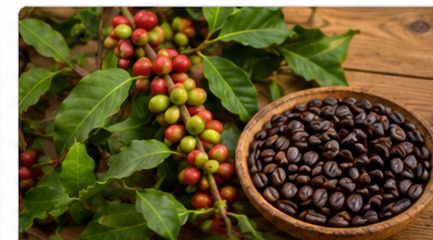
Coffee beans and a cup of coffee

By the end of this lesson, I will be able to:

  • understand the main ideas and key details in From Coffee Cherry to Cup.
  • learn and use important vocabulary from the lesson.
  • use the lesson language in speaking or writing.
Start here: What do you already know about this topic? Tell a partner one idea.
2 Reading
Before you read:

Look at the picture and title. What do you already know about this topic? Write two ideas, then compare with a partner.

Coffee begins as a fruit called a coffee cherry. The cherries grow on coffee plants in warm regions. When they are ripe, they are picked by hand or machine. The seeds inside the fruit are the coffee beans. After the fruit is removed, the beans are dried. They are then sorted and transported to places where they are roasted. Roasting changes the colour, smell and flavour of the beans. After roasting, the beans are cooled and may be ground into smaller pieces. Finally, hot water is passed through or mixed with the ground coffee to make the drink.
3 Vocabulary
Words: ripe · seed · sort · roast · grind

Write a short meaning or synonym for each word.

ripe –

seed –

sort –

roast –

grind –

4 Check Your Understanding

1. What is a coffee cherry?

2. What are the seeds inside called?

3. What happens after the fruit is removed?

4. What changes during roasting?

5. What is mixed with ground coffee to make the drink?

5 Language Focus

Complete the passive forms.

1. The cherries (pick) when they are ripe.

2. The beans (dry) after the fruit is removed.

3. They (roast) before they are ground.

4. Hot water (mix) with ground coffee.

6 Listen & Speak

Listen

Listen to your teacher. You will hear the text twice. Answer the questions.

1. Can coffee be processed in only one way?

2. What happens in one method?

3. What happens in another method?

4. What can the methods change?

Speak

Discuss with a partner or small group.

• Do you drink coffee or another hot drink?
• Why do food processes interest people?
• Which stage of coffee production surprised you?

7 Use Your English

Something New

Create six coffee-process cards or sketches. Mix the order and challenge a partner to put them back in the correct sequence.

Write

Write 80–100 words explaining how coffee is made. Use at least four passive verbs.

8 Puzzle or Game
Vocabulary Detective

Choose four words from the Vocabulary panel. Write a short clue for each word without writing the word itself. Swap with a partner and see how many you can guess.

Bonus: Use one of the words in a new sentence.

9 Success Criteria ✓

Tick each statement when you can do it.

  • I can explain the main idea of the lesson.
  • I can use at least three new words correctly.
  • I can complete the language task.
  • I can share an idea in spoken or written English.

One thing I am proud of today:

10 Show What You Can Do
My final challenge: From Coffee Cherry to Cup

Plan: Write 5 useful words or ideas from the lesson, or make a quick labelled sketch.

Write: Write 5–7 sentences that show what you learned. Try to use at least 3 words from the Vocabulary panel.

Share: Explain your work to a partner for about 30 seconds.