English Drills
Home › Teacher lessons › How Octopuses Change Colour

How Octopuses Change Colour

A complete B1 classroom lesson built around an engaging topic. Use it as a 45–60 minute lesson, or choose individual sections for a shorter class.

B150–60 minutesScience & animalsPrintable
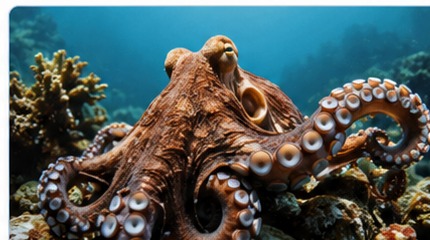
Teacher lesson: Look at the picture and title. What do you already know about this topic? Write two ideas, then compare with a partner. Work through the nine panels in order, or choose the sections that suit your class. Teacher answers and the listening script are stored separately.
Teacher AnswersOpen related EnglishDrills reading
1 Lesson Goals
An octopus using colour and pattern

By the end of this lesson, I will be able to:

  • understand the main ideas and key details in How Octopuses Change Colour.
  • learn and use important vocabulary from the lesson.
  • use the lesson language in speaking or writing.
Start here: What do you already know about this topic? Tell a partner one idea.
2 Reading
Before you read:

Look at the picture and title. What do you already know about this topic? Write two ideas, then compare with a partner.

Octopuses can change their appearance with remarkable speed. Their skin contains specialised cells, including chromatophores, which hold coloured pigments. By expanding or contracting these cells, an octopus can create different colours and patterns. Other structures in the skin reflect light and add shimmering or iridescent effects. Colour change can help an octopus blend into its surroundings, communicate with other animals or react to danger. Some species can also change the texture of their skin, making it look rough like rock or coral. These abilities do not make an octopus completely invisible, but they provide flexible ways to hide, signal and survive in complex marine environments.
3 Vocabulary
Words: specialised · pigment · contract · iridescent · texture

Write a short meaning or synonym for each word.

specialised –

pigment –

contract –

iridescent –

texture –

4 Check Your Understanding

1. What do chromatophores contain?

2. How can an octopus create patterns?

3. What can other skin structures do?

4. Give two reasons an octopus changes colour.

5. Can some octopuses change skin texture?

5 Language Focus

Join the ideas using which or that.

1. Chromatophores are skin cells. They contain pigment.

2. Some structures reflect light. They create shimmering effects.

3. Octopuses use patterns. The patterns can help them hide.

4. Some species change skin texture. The texture can resemble coral.

6 Listen & Speak

Listen

Listen to your teacher. You will hear the text twice. Answer the questions.

1. What three things can octopus camouflage combine?

2. Does the animal use paint?

3. What controls the skin structures?

4. How quickly can appearance change?

Speak

Discuss with a partner or small group.

• Which animal adaptation do you find most impressive?
• Why is camouflage useful?
• How might scientists learn from octopus skin?

7 Use Your English

Something New

Design a camouflage pattern for an octopus. Show it to a partner and explain why your colours and shapes would help it hide.

Write

Write 100–120 words explaining how octopus camouflage works and why it is useful.

8 Puzzle or Game
60-Second Word Race

In one minute, write as many English words as you can that connect with How Octopuses Change Colour. Compare your list with a partner.

Circle three words you think are especially useful.

9 Success Criteria ✓

Tick each statement when you can do it.

  • I can explain the main idea of the lesson.
  • I can use at least three new words correctly.
  • I can complete the language task.
  • I can share an idea in spoken or written English.

One thing I am proud of today:

10 Show What You Can Do
Final challenge: How Octopuses Change Colour

Plan: Note your strongest idea, 3 useful words or phrases, and one supporting detail from the lesson.

Respond: Write a short paragraph of 6–8 sentences, or prepare a 45-second spoken response, showing what you learned.

Reflect: Underline the part of your response that best shows your progress.