English Drills
Home › Teacher lessons › The Printing Press and the Spread of Ideas

The Printing Press and the Spread of Ideas

A complete B1 classroom lesson built around an engaging topic. Use it as a 45–60 minute lesson, or choose individual sections for a shorter class.

B150–60 minutesHistory & technologyPrintable
Teacher lesson: Look at the picture and title. What do you already know about this topic? Write two ideas, then compare with a partner. Work through the nine panels in order, or choose the sections that suit your class. Teacher answers and the listening script are stored separately.
Teacher AnswersOpen related EnglishDrills reading
1 Lesson Goals
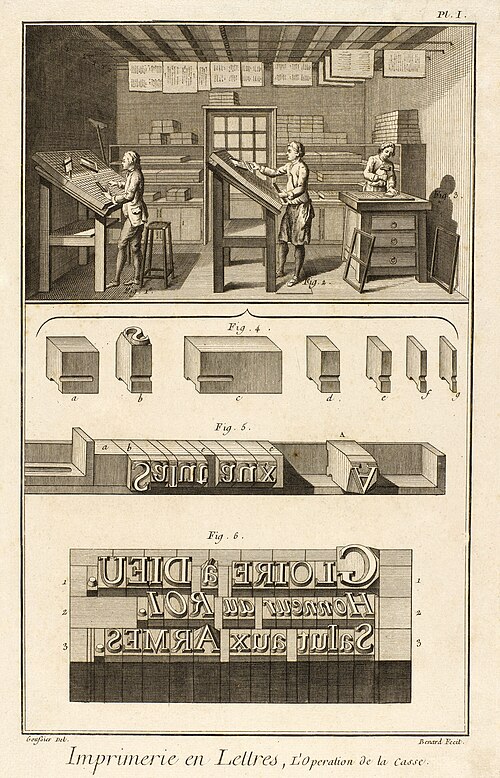
An early printing press

By the end of this lesson, I will be able to:

  • understand the main ideas and key details in The Printing Press and the Spread of Ideas.
  • learn and use important vocabulary from the lesson.
  • use the lesson language in speaking or writing.
Start here: What do you already know about this topic? Tell a partner one idea.
2 Reading
Before you read:

Look at the picture and title. What do you already know about this topic? Write two ideas, then compare with a partner.

Before printing became widespread in Europe, books were copied by hand, which made them slow and expensive to produce. In the mid-fifteenth century, Johannes Gutenberg developed a printing system that used movable metal type, oil-based ink and a press. Individual letters could be arranged, printed and then reused. This made it possible to produce many copies of the same text more efficiently. Printed books gradually became cheaper and more widely available. The technology helped ideas travel faster between cities and countries and supported changes in education, religion and science. Printing did not create these changes by itself, but it made large-scale communication much easier.
3 Vocabulary
Words: widespread · movable type · efficiently · available · communication

Write a short meaning or synonym for each word.

widespread –

movable type –

efficiently –

available –

communication –

4 Check Your Understanding

1. Why were books expensive before widespread printing?

2. What could be reused in Gutenberg’s system?

3. What happened to the price and availability of books?

4. How did printing affect ideas?

5. Did printing create every social change by itself?

5 Language Focus

Complete the sentences with the past passive.

1. Books (copy) by hand.

2. Metal letters (arrange) into lines.

3. Many copies (produce) more efficiently.

4. New ideas (spread) more quickly.

6 Listen & Speak

Listen

Listen to your teacher. You will hear the text twice. Answer the questions.

1. What did printers prepare carefully?

2. What could happen once a page was ready?

3. What happened to the type afterwards?

4. Why was reusable type useful?

Speak

Discuss with a partner or small group.

• Which invention has changed communication most in your lifetime?
• Why does cheaper access to information matter?
• Can new technology cause both benefits and problems?

7 Use Your English

Something New

In pairs, invent a 1500 newspaper front page. One student is the editor and one is the reporter. Agree on the headline, short story and advertisement.

Write

Write 100–120 words explaining how the printing press changed the spread of information. Use at least two passive verbs.

8 Puzzle or Game
Draw, Mime or Describe

Choose a useful word from this lesson. Do not say the word. Draw it, mime it, or describe it. Your partner has three guesses.

Swap roles and play again with a different word.

9 Success Criteria ✓

Tick each statement when you can do it.

  • I can explain the main idea of the lesson.
  • I can use at least three new words correctly.
  • I can complete the language task.
  • I can share an idea in spoken or written English.

One thing I am proud of today:

10 Show What You Can Do
Final challenge: The Printing Press and the Spread of Ideas

Plan: Note your strongest idea, 3 useful words or phrases, and one supporting detail from the lesson.

Respond: Write a short paragraph of 6–8 sentences, or prepare a 45-second spoken response, showing what you learned.

Reflect: Underline the part of your response that best shows your progress.